Criminal Defense Attorneys Serving the Denver Metro Area
If you or a loved one is facing criminal charges, you need a skilled Denver criminal defense lawyer on your side. At Blackley & Wingad, we focus on defending individuals accused of felonies, misdemeanors, juvenile offenses, driving under the influence (DUI) offenses, drug crimes, domestic violence, white-collar crimes, and more.
With a track record of over 100 trials and over 30 years of courtroom experience, we are committed to fighting for your rights, freedom, and future.
Why Hire a Criminal Defense Lawyer?
Denver, CO, is not one of the safest cities to live in. In fact, it ranks sixth in terms of total crimes, with 5,754.6 crimes committed per 100,000 residents. For reference, that’s 171.5% the US average. As you can see, the average Denver criminal defense attorney gets plenty of work.
If you’re facing any kind of criminal charges, you can hire a criminal defense lawyer to help you fight them in court. Hiring a lawyer can improve your chances of obtaining positive results in your criminal defense case in several ways. Your lawyer can find weaknesses in the prosecution’s case, identify potential rights violations, and construct an effective legal defense. They can also represent you in court.
Choose Blackley & Wingad as Your Criminal Defense Attorneys in Denver
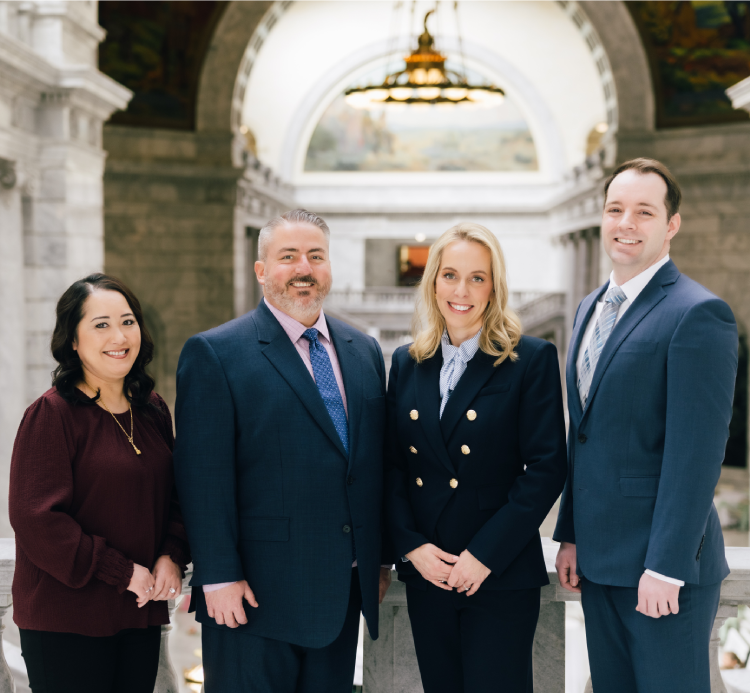
Denver is one of the most competitive criminal defense markets in the country. There is no shortage of attorneys willing to take your case. What is harder to find is an attorney who has actually stood in front of a jury, argued a motion to suppress, and taken a serious felony to verdict. That is the standard Beau Blackley and Jennie Wingad hold themselves to in every case they handle.
Trial Attorneys With Over 100 Jury Trials
Most criminal defense lawyers in Colorado settle cases. Going to trial is expensive, uncertain, and time-consuming, for the attorney as much as the client. Blackley & Wingad are different. With more than 100 jury trials between them across multiple jurisdictions, trial is not a fallback option. It is how they are built. Prosecutors at the Denver District Attorney’s Office recognize which defense attorneys will go to trial and which ones will not. That reputation changes every conversation that happens before a case ever reaches the Lindsey-Flanigan Courthouse.
Former Public Defenders Who Know How Prosecutors Think
Before founding Blackley & Wingad, both attorneys served as public defenders in Miami, one of the highest-volume criminal jurisdictions in the United States. That experience placed them on the front lines of serious criminal defense — violent crimes, drug trafficking, sex offenses, felony DUI — with limited resources and no margin for error. It also gave them an intimate understanding of how prosecutors build cases, where charging decisions are made, and where cases are most vulnerable to challenge. They bring that institutional knowledge to every client they represent in Denver.
Licensed in Colorado and Utah
Blackley & Wingad are licensed to practice in both Colorado and Utah, which means they bring multi-jurisdiction experience to their Denver practice. Clients who have matters in both states, or who were charged with crimes while traveling between them, have a single team who understands both legal landscapes.
Personal Representation, Not Associates
When you hire Blackley & Wingad, you work directly with Beau Blackley and Jennie Wingad. Your case is not passed to a junior associate or handled by someone whose name is not on the door. For clients facing serious felony charges, domestic violence allegations, DUI charges, or sex crime accusations in Denver, that direct access to experienced trial attorneys matters.
Available 24 Hours a Day, Seven Days a Week
Arrests happen on Friday nights, on holidays, and in the early hours of the morning. Blackley & Wingad are available around the clock for clients who need immediate guidance after an arrest in Denver or the surrounding metro area. The earlier an attorney is involved, the more options exist to protect your rights.
What We Can Do for You
From the moment you contact us, we get to work. We analyze police reports, body camera footage, and forensic evidence for weaknesses in the prosecution’s case. We identify unlawful searches, improper arrests, and constitutional violations, and we pursue suppression motions aggressively. We evaluate every avenue for pre-trial resolution and explain the realistic range of outcomes clearly and honestly. And when a case needs to go to trial, we are prepared to take it there.
Don't Wait. Call Us Today.
Our Criminal Defense Services in Denver
Sex Crimes Defense Attorney in Denver
Charged with a sex crime? You need a skilled sex crime attorney fast. At Blackley & Wingad, we’ve handled many sex crime cases and have actual jury trial experience. We don’t just represent you — we help you understand every step. Our team listens, explains your options, and fights hard in court.
Drug Crime Defense Attorney
Drug-related charges in Denver can range from simple possession to large-scale drug trafficking. We handle cases involving:
- Marijuana possession and distribution
- All controlled substances, including cocaine, methamphetamine, fentanyl, and heroin charges
- Prescription drug fraud
Assault & Violent Crimes Defense
Assault charges can result in severe penalties, especially if they involve weapons or serious injury. Our firm provides defense for:
- Aggravated assault
- Domestic violence charges
- Self-defense cases
Domestic Violence Lawyer in Denver
Domestic violence accusations can ruin reputations and lead to restraining orders, loss of custody rights, loss of gun rights, and criminal charges. We:
- Challenge false allegations.
- Work to have charges dropped or reduced.
- Provide defense for those facing protective order violations.
Felony and Misdemeanor Defense
Whether you’re facing a misdemeanor or a serious felony, Blackley & Wingad can work tirelessly to defend you. We handle:
- Theft and property crimes
- White-collar crimes (fraud, embezzlement, identity theft)
- Person crimes
- Weapons charges
DUI Defense Attorney in Denver
A driving under the influence (DUI) conviction in Colorado can lead to license suspension, heavy fines, and even jail time. If you’ve been charged with driving under the influence, we can:
- Challenge breathalyzer and blood test results.
- Defend against improper police stops.
- Seek reduced charges or case dismissal.
Expungement & Record Sealing in Denver
Assault charges can result in severe penalties, especially if they involve weapons or serious injury. Our firm provides defense for:
- Aggravated assault
- Domestic violence charges
- Self-defense cases
Federal Crime Defense Attorney in Denver
Federal charges are more complex and carry harsher penalties than state-level crimes. We are experienced in defending against:
- Federal fraud cases
- Racketeering (racketeer-influenced and corrupt organizations, also called RICO) cases
- Conspiracy charges
How We Build a Strong Criminal Defense Strategy
At Blackley & Wingad, we approach every case with a strategic plan to fight for your rights:
- Analyzing evidence. We scrutinize police reports, witness statements, and forensic evidence.
- Challenging law enforcement procedures. We identify any unlawful searches, improper arrests, or violations of your rights.
- Challenge Constitutional and Statutory violations. We evaluate and attack violations of the law in pre-trial motions. (maybe this could be said better or fleshed out)
- Negotiating for reduced sentences. If a trial is not beneficial to you, we can explore plea deals that minimize penalties.
- Taking your case to trial. If necessary, we are prepared to aggressively defend you in court.
How a Denver Criminal Case Works
The first thing you should know about how Denver criminal cases work is that while misdemeanor cases are handled in Denver County Court, at 520 West Colfax Avenue, most felony cases are handled in Denver District Court. The basic processes you’ll go through will be similar regardless of the level of your charges. They include:
- Arrest. The police will arrest you only if they have a warrant or if you commit a crime in their presence. Anyone arrested in Denver gets taken to the Denver City Jail, where they will be booked into the criminal justice system.
- Bail setting. A judge will set your bail or bond at your first advisement so that you can leave the jail until your initial court date, if applicable. In some cases, people are released on personal recognizance with no bail required.
- Charges. In most cases, charges are filed when a person gets arrested and receives a Summons and Complaint. If you’re not arrested first, you’ll still receive this paperwork, and your first appearance will be at your arraignment. In some cases, felony defendants are held on investigatory holds. The district attorney’s office must file charges within three days of your arrest.
- Advisement. If you’ve been arrested for a felony or misdemeanor charge, you’ll appear for advisement in the county courtrooms at the City Jail. Your first advisement occurs when you have your bail hearing. Your second advisement happens after the DA’s office files charges. You’ll hear the formal charges against you, and the judge may change your bond. A date will also be set for your next court appearance.
- Arraignment. If you face a non-arrest misdemeanor, your first court appearance will be at your arraignment in the county courtrooms at the Lindsey-Flanigan Courthouse. During this proceeding, the judge will let you know about your charges and your constitutional rights. Some defendants also enter a plea at this hearing.
- Disposition hearing. After you’ve entered a plea, the judge will schedule a disposition hearing. During this hearing, the judge, your lawyer, and the prosecution discuss whether the case can be resolved without going to trial. You may be offered a plea deal.
- Preliminary hearing. For some felony charges, the preliminary hearing is the next step following advisement. Only those charged with Class 1, 2, or 3 felonies, or in jail for a Class 4, 5, or 6 felony, will attend this hearing, during which the prosecutor will present evidence that shows sufficient probable cause to believe you might have committed a crime.
- Arraignment for felonies. The first hearing you’ll attend at the District Court if you’re facing felony charges is your arraignment. This takes place at a different point in the trial process from the arraignment scheduled for misdemeanor cases, but you’ll still enter a guilty or not guilty plea.
- Motion hearings. Motion hearings allow your lawyer and the prosecutor to present written or oral requests for rulings on particular legal issues to the judge.
- Pre-trial conference. During this meeting, you will attempt to resolve any issues prior to trial so that all parties are better prepared. You might also discuss a plea bargain.
- Trial. If you plead not guilty, the next step will be a jury or bench trial. During a bench trial, a judge decides on a verdict. During a jury trial, you’ll present your case to a jury of your peers.
- Sentencing. If you are found guilty during your trial, the final step will be sentencing. Your sentencing hearing is usually scheduled for a date several weeks out from the final date of your trial. During this hearing, the victim and/or their family members may speak, the defendant may address the court, and the judge imposes a sentence.
Potential Defense Strategies
The defense strategy your lawyer chooses will depend on the specifics of your case. However, most fall into one of these categories:
- Innocence. Your lawyer can claim that you did not commit the crime. They’ll need to develop a strategy that creates a reasonable doubt in the judge or jury’s minds regarding whether you are the perpetrator of the crime.
- Alibi. Having a solid alibi is a good way to defend yourself against criminal charges. Your alibi can come in the form of a trustworthy person, photos or videos of you at a different location, or even a receipt from a faraway store.
- Self-defense. If you’re facing charges for a violent crime, you may be able to claim self-defense. You are only allowed to defend yourself using appropriate force if you have reason to believe that you face imminent harm. Your defense will thus hinge on proving that you had reason to believe you were in danger.
- Entrapment. Entrapment involves law enforcement encouraging a person to commit a crime that they would otherwise not have committed. Your lawyer would need to show that a government agent coerced or enticed you into committing the crime.
- Rights violations. If law enforcement officers violated your constitutional rights during the course of the investigation, any evidence they obtained as a result can be thrown out. This can leave the prosecution without sufficient evidence to prove beyond a reasonable doubt that you committed the crime.
- Insanity. It’s rare for someone to implement an insanity defense successfully. This defense asserts that you weren’t mentally capable of understanding your actions or distinguishing right from wrong when you committed a crime. It’s difficult to prove and can leave you facing institutionalization in a hospital instead of jail if you succeed.
- Lesser included offense. In some cases, it makes the most sense to argue not that you were innocent but that you should be charged only with a lesser included offense. This strategy concedes some level of guilt but attempts to mitigate the severity of the punishment.
How Your Lawyer Can Help You Prepare for Trial
The idea of going to trial to combat your charges can feel overwhelming, but your lawyer can help you prepare and be by your side every step of the way. Depending on what defense strategy your attorney chooses to employ and what sorts of evidence it requires, your attorney may:
- Prepare you to testify through mock interviews.
- Use focus groups to determine whether your defense strategy will be effective.
- Bring you to the crime scene to help stimulate memories.
- Get you to write down the events as you saw them.
- Prepare witnesses to give testimony and face difficult questions from opposing counsel.
- Inform you about the prosecution’s case.
- Discuss factors such as appropriate attire.
- Help you prepare for the emotional intensity of the courtroom.
- Preserve your case for appeal, making correct objections and arguments in the oral and written records.
You don’t have to testify in your defense if you don’t feel that it would help your case. You should defer to your lawyer’s judgment regarding whether it’s a good idea. When suspects testify at court, it can help their cases, but it can also work against them depending on the circumstances surrounding the case and how well a defendant does on the stand.
Denver's Choice for
Criminal Defense Lawyers
What to Do Now
If you’ve been arrested or are under investigation for a crime, the initial steps you take can make a large impact on your criminal defense case. You don’t have to wait until you’ve been arrested to start preparing for the worst. You should implement these steps as soon as you believe you may be under suspicion:
- Ask for a lawyer. Don’t answer questions from law enforcement without first consulting an attorney. It’s a mistake to think that cooperation will solve your problems.
- Avoid discussing the case. Don’t talk about the case to anyone except your lawyer. Avoid posting about it on social media, texting people you know, or discussing your case on the jail phone.
- Write everything down. Now is the time to write down the details surrounding your case, while they’re still fresh. Note who was there, what they said, and when. Write down contact information for any witnesses whose testimony could bolster your case.
- Preserve evidence. In addition to contact info for witnesses, you should also save messages, receipts, photographs, and GPS data that could be useful in your case.
- Follow bond conditions. If you miss a court date or violate the conditions of your bond, you can wind up facing additional charges.
- Act quickly. If you receive a summons or a protection order, you’ll need to act quickly to meet strict deadlines.
- Talk to your lawyer. If you don’t have a lawyer before your arrest, you need to hire one before your first court date. Coming up with a legal defense strategy can help prevent potential avoidable consequences for your arrest.
Your Denver Criminal Defense Lawyers
It doesn’t matter what kind of charges you’re facing. You need a skilled Denver criminal defense lawyer on your side. You can trust the team here at Blackley & Wingad to help. We have years of experience in interpreting criminal defense laws and helping our clients obtain optimal results in their cases. If you need a Denver criminal defense attorney, contact us or call us at 720-520-6463, available 24/7, to schedule an initial consultation.